
Introduction: Why Salt Matters in Your Kitchen
Salt is more than just a seasoning; it’s a fundamental ingredient that brings out the best flavors in nearly every dish you create. But if you’ve ever stood in front of the salt aisle wondering whether sea salt or table salt is better, you’re not alone. Many believe that sea salt is healthier or tastes better, but what does the science say? Let’s explore the different types of salt commonly found in North American kitchens and what experts say about their impact on health and cooking.
Understanding the Differences Between Table Salt and Sea Salt
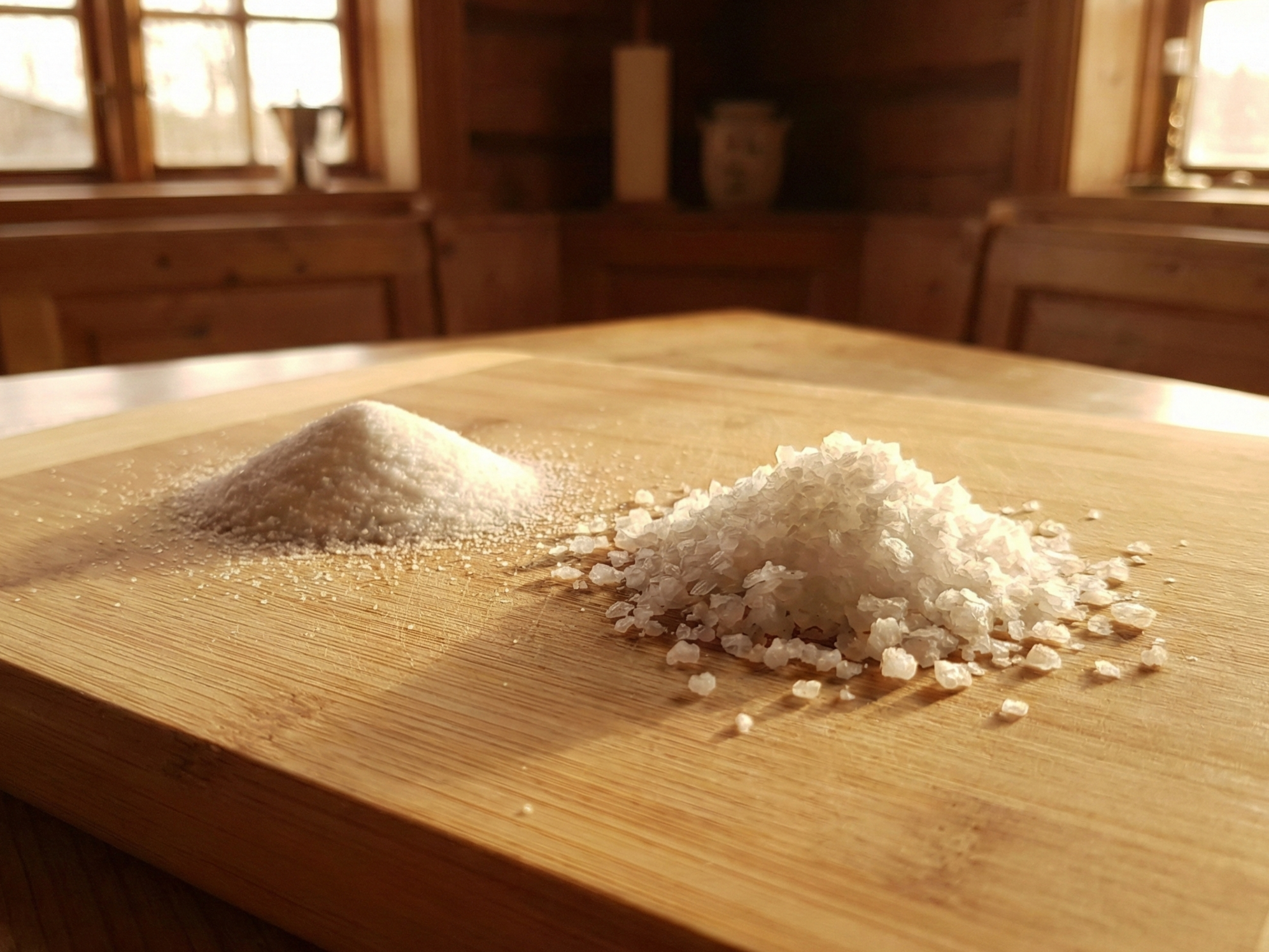
Both table salt and sea salt start their journey from the ocean, but their paths diverge through processing and texture. Table salt is highly refined, meaning it’s been stripped of most minerals except sodium chloride, and usually enhanced with additives like iodine—to support thyroid health—and anti-caking agents to keep it free-flowing. It’s finely ground, ensuring it dissolves quickly and mixes evenly, which is especially useful in baking.
Sea salt, on the other hand, undergoes minimal processing. It’s produced by evaporating seawater, often retaining trace minerals such as magnesium, calcium, and potassium. These minerals can add subtle flavor variations and contribute a natural briny taste. Sea salt crystals tend to be larger and more irregular, offering a distinct texture and crunch, which many chefs love for finishing dishes.
Nutritional Insights from Registered Dietitians
Nutritionally, both sea salt and table salt contain roughly the same amount of sodium—about 2,300 to 2,400 milligrams of sodium per teaspoon—which means neither is inherently healthier or worse for cardiovascular health when consumed in moderation. The iodine added to table salt plays an important role in preventing iodine deficiency, which affects thyroid function.
Sea salt’s trace minerals are present only in tiny amounts, too small to significantly boost your daily nutrient intake. Registered dietitians emphasize that the biggest health risk from salt comes not from the type of salt you use in the kitchen, but from excessive intake of processed and packaged foods loaded with hidden sodium. Moderation is key, as too much sodium can increase blood pressure and risk for heart disease.
Practical Uses and Preferences for Different Salts
Each salt has its place in your kitchen based on texture and cooking needs. Because sea salt crystals are larger and flakier, they’re perfect for sprinkling on finished dishes like salads, roasted vegetables, or grilled meats, where you want to add a little crunch and bursts of flavor.
Table salt’s fine grains dissolve quickly, making it ideal for recipes where even salt distribution is crucial—think baking breads, cookies, or seasoning pasta water. Sea salt also comes in various forms—fine, coarse, flaky—so you can choose based on the recipe and cooking style.
Tips for Choosing and Using Salt Wisely
When selecting sea salt, look for products that disclose their source and production methods. Not all sea salts are created equal—some may come from different regions and vary in mineral content, flavor, and purity. Remember, volume matters: a teaspoon of fine table salt packs more sodium than the same teaspoon of large-grained kosher or flaky sea salt because of the difference in crystal size and density.
Balancing your use of salt means considering personal taste preferences alongside health goals and the culinary function of salt. Using a pinch of sea salt to finish a dish can elevate flavor without adding too much sodium, while table salt is your go-to when you need consistent seasoning in your cooking.
—
By understanding these differences and making informed choices, you can use salt not just as a seasoning, but as a tool to enhance your cooking and health journey. So next time you reach for the salt shaker, think about the texture, the flavor, and the role salt plays—in moderation—to bring out the best in your meals.
Source: This content was inspired by and curated from an original article.
You can view the original source at
thekitchn
.