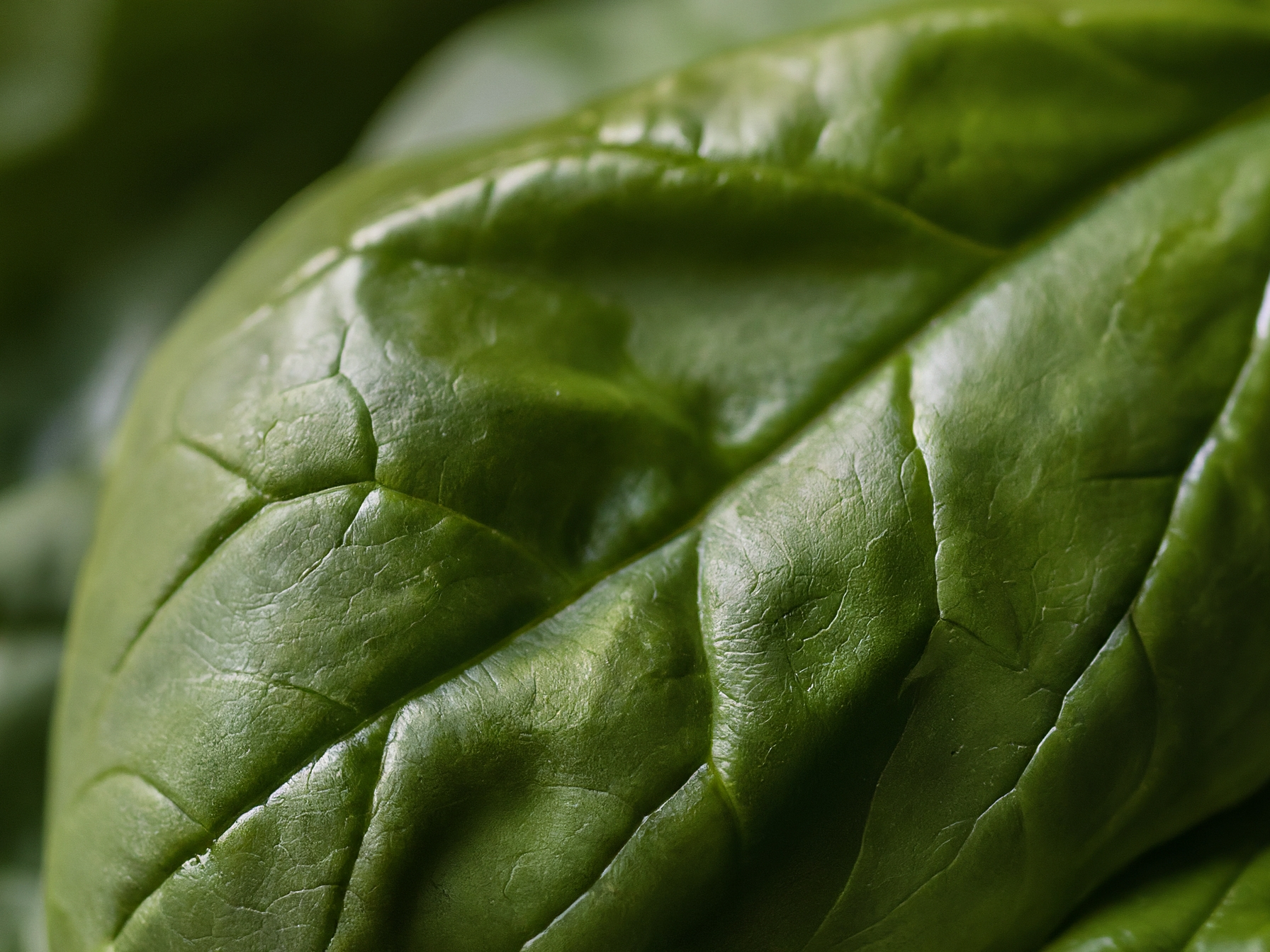

Why Spinach Deserves a Spot on Your Plate
Spinach is more than just a leafy green—it’s a nutritional powerhouse packed with vitamins and minerals that can truly elevate your health. Rich in vitamin K, which plays a crucial role in blood clotting and bone health, spinach also delivers a hefty dose of antioxidants like lutein and zeaxanthin, known for protecting your eyes. It’s loaded with fiber, aiding digestion, and is a good source of potassium, which helps regulate blood pressure. Beyond these essentials, spinach provides magnesium and folate, supporting energy metabolism, muscle function, and cell growth. Magnesium plays a vital role in energy metabolism by helping your body convert the food you eat into the fuel you need to power through your day. Incorporating spinach into your daily meals—whether tossed into smoothies, salads, or omelets—is a simple yet effective way to boost your vegetable intake and nourish your body.
Nutritional Differences: Raw Spinach vs. Cooked Spinach
Both raw and cooked spinach offer unique nutritional benefits, making it worthwhile to enjoy both forms. When eaten raw, spinach retains more vitamin C and folate—both heat-sensitive nutrients important for immune support and cell repair. It also preserves higher levels of lutein, which is vital for eye health. However, cooking spinach reduces natural compounds called oxalates, which can bind minerals like calcium, iron, and magnesium and limit their absorption. By cooking spinach, especially boiling or steaming, you increase your body’s ability to absorb these essential minerals. Additionally, cooking enhances the availability of vitamin A and beta carotene, antioxidants that support vision and skin health, although it does cause some loss of vitamin C due to heat and water solubility.
Choosing the Best Way to Eat Spinach for Your Health Goals
If your priority is to boost vitamin C intake, especially during the colder months to support your immune system, raw spinach is your best bet. Try fresh spinach in salads, sandwiches, or green smoothies where its vibrant flavor shines. However, if you’re looking to maximize mineral absorption—particularly calcium and iron—cooked spinach is preferable. For instance, enjoying a warm spinach sauté or adding cooked spinach to soups can help you get more of these vital nutrients. Interestingly, both raw and cooked spinach maintain consistent fiber and beta carotene levels, so incorporating a mix of both into your diet can help you reap a broad spectrum of benefits.
Safety and Creative Ways to Enjoy Spinach
Cooking spinach not only helps with nutrient absorption but also reduces the risk of foodborne illnesses such as E. coli, which can sometimes be found on raw leafy greens. To keep your meals exciting while gaining the benefits of spinach, try some tasty recipes: a fresh spinach salad tossed with crisp apples, crunchy walnuts, and tangy feta cheese; a refreshing green smoothie blended with banana and pineapple; or a hearty lentil and spinach soup that warms you from the inside out. By varying how you prepare spinach throughout the week, you invite a diversity of flavors and nutrients into your diet.
Final Thoughts: Embrace Both Raw and Cooked Spinach
Both raw and cooked spinach provide unique and valuable health benefits, so embracing both forms is a smart strategy for optimal wellness. Tailor your spinach consumption to your personal nutritional needs and culinary preferences, letting this versatile green boost your overall health in delicious ways. The more you include spinach in diverse recipes, the better equipped you’ll be to support your immune system, eye health, bones, and more—one leafy bite at a time.
Source: This content was inspired by and curated from an original article.
You can view the original source at
thekitchn
.