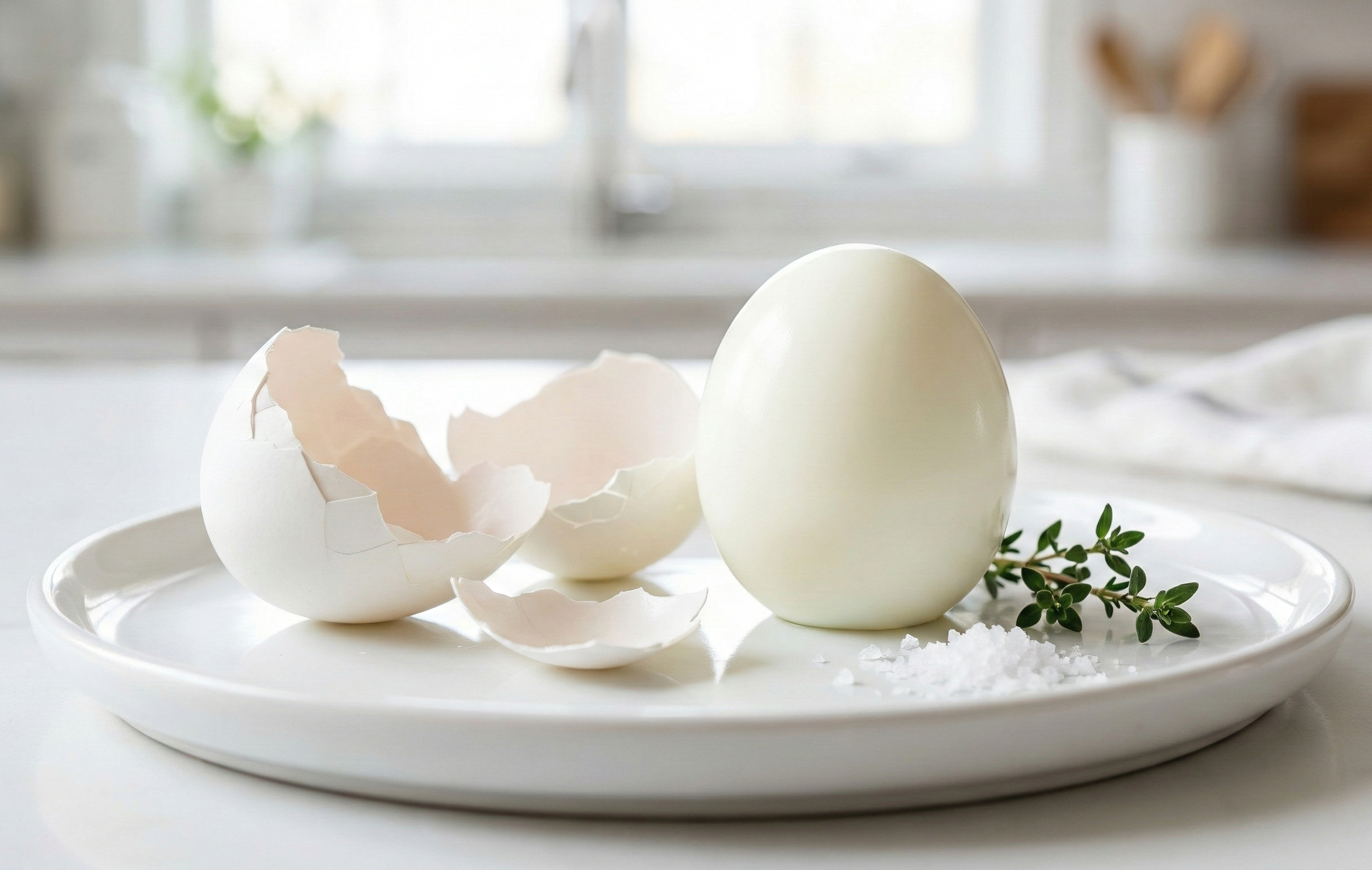

Peel Like a Pro: The Secret Trick to Easy Hard-Boiled Eggs
Introduction: Why Peeling Hard-Boiled Eggs Can Be So Tricky
If you’ve ever struggled with peeling hard-boiled eggs, you’re not alone. The stubborn shells that cling to the delicate egg whites can turn what should be a simple task into a frustrating ordeal. It’s a common kitchen vexation, but with a few science-backed tips and tricks, you can master the art of peeling hard-boiled eggs easily and quickly every time. Let’s dive in!
Ingredients Needed for Perfect Hard-Boiled Eggs
-
Eggs: Slightly older raw eggs tend to peel more easily.
-
Water: Enough to fully cover the eggs by about an inch.
-
Baking Soda (Optional): To raise the water’s pH for a cleaner peel.
-
Vinegar (Optional): Acts as an “insurance policy” to help egg whites coagulate quickly if a shell happens to crack.
Step-by-Step Guide to Cooking and Peeling Hard-Boiled Eggs
-
Choose Your Eggs Wisely: Contrary to popular belief, very fresh eggs are often harder to peel. Aging your raw eggs in the refrigerator for about a week before boiling is a perfectly safe way to ensure the pH levels rise, making the shell removal effortless.
-
The Cold Start Method: Place the eggs in a single layer in a pot and cover them with cold water by about an inch. Starting with cold water is a gentle approach that minimizes the risk of the shells cracking.
The Great Debate: Hot Start vs. Cold Start While the Cold Start is the traditional, gentle way to begin, some modern food scientists advocate for the Hot Start—lowering eggs directly into boiling water. The theory is that the sudden “heat shock” prevents the membrane from fusing to the shell. If you prioritize an easy peel above all else, the Hot Start is a professional alternative worth trying!
-
Bring to a Boil, Then Simmer: Heat the water to a rolling boil. As soon as it boils, turn off the heat (or remove from the element) and cover with a lid. Let the eggs sit for 9-12 minutes depending on their size.
-
Shock in Ice Water: Immediately plunge the eggs into a bowl of ice water. This rapid cooling contracts the egg inside, pulling it away from the shell. Let them cool for at least 5-10 minutes.
-
The Peeling Trick: Before peeling, gently crack the shell all over or roll the egg on a hard surface to create a network of cracks. If you added baking soda to your water, you’ll notice the bond is already weakened. If an egg cracked during boiling, your splash of vinegar should have already sealed the white in place.
-
Peel Under Running Water: For the smoothest experience, peel your egg under a gentle stream of cold running water. The water helps separate the membrane from the egg white, making the shell slide right off.
Why These Tricks Work: A Bit of Science
Eggshells are porous calcium carbonate structures enveloping a thin membrane. Fresh eggs have lower pH levels, making this membrane stick tightly to the white. As raw eggs age, the pH rises, loosening this bond. The ice bath causes the egg whites to contract, creating a tiny gap between the shell and the egg. Adding an alkaline substance like baking soda further eases the shell’s hold, while peeling under water provides physical aid to separate the membrane.
Conclusion: Enjoy Perfectly Peeled Hard-Boiled Eggs with Minimal Fuss
Peeling hard-boiled eggs doesn’t have to be a battle. With these simple, tried-and-true techniques—starting with properly aged raw eggs, using an ice bath, and understanding the role of pH—you can save time and avoid frustration. Whether you’re preparing a quick breakfast, a vibrant salad, or healthy snacks for the week, perfectly peeled eggs are just a boil away!
Give these tips a try and turn your next batch of hard-boiled eggs into a kitchen success story.
Source: This content was inspired by and curated from an original article.
You can view the original source at
Tasteofhome
.